![[team] image of individual team member (for a mosques)](https://cdn.prod.website-files.com/6a95337e10041febaa301cee/6a95337e10041febaa30235a_662a4d5147bee4c82c545b1c_florian-wimmer.avif)
Starting January 1, 2026, things get serious: Your crypto exchange will collect your transaction data from that date onward, and report it to the tax authorities beginning in 2027.
The reason is CARF—an OECD-coordinated reporting framework now committed to by 50+ jurisdictions worldwide, with more joining as legislation is finalized. You don't report; the service providers do: exchanges, brokers, wallet providers. The result: your crypto activity becomes visible to the state. If you don't keep proper records now, you'll be in a weak position when questions come in 2026/27. In this guide, we explain what CARF and DAC8 mean for you—and how to stay prepared with Blockpit.
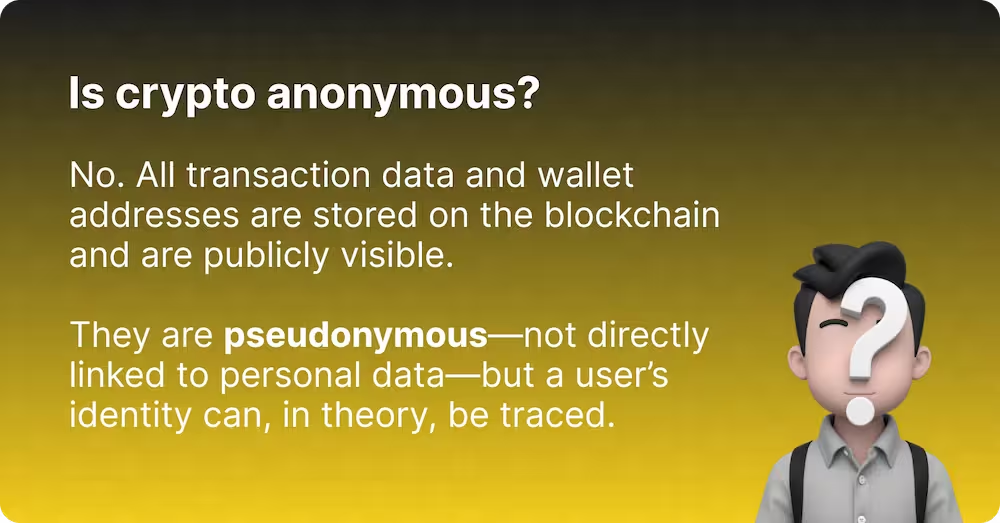
But aren't cryptocurrencies anonymous?
Let's take a step back. You might be wondering: aren't cryptocurrencies anonymous—so how could the tax office possibly know about your crypto? That's a persistent myth. Is it true? No. Crypto is actually very transparent: all transactions and wallet addresses are recorded on the blockchain and publicly visible. While they aren't directly linked to personal data, with the right information they can, in theory, be traced back to an individual. Crypto is therefore pseudonymous, not anonymous.
<div class="card_body_small infobox margin-bottom_medium margin-top_small"><div class="flex_horizontal-copy gap-xxsmall margin-bottom_xxsmall"><div class="icon_small is-infobox w-embed"><svg xmlns="http://www.w3.org/2000/svg" width="24" height="24" viewBox="0 0 24 24" fill="none">
<path fill-rule="evenodd" clip-rule="evenodd" d="M2.25 12C2.25 6.61522 6.61522 2.25 12 2.25C17.3848 2.25 21.75 6.61522 21.75 12C21.75 17.3848 17.3848 21.75 12 21.75C6.61522 21.75 2.25 17.3848 2.25 12ZM10.9562 10.5584C12.1025 9.98533 13.3931 11.0206 13.0823 12.2639L12.3733 15.0999L12.4148 15.0792C12.7852 14.894 13.2357 15.0441 13.421 15.4146C13.6062 15.7851 13.4561 16.2356 13.0856 16.4208L13.0441 16.4416C11.8979 17.0147 10.6072 15.9794 10.9181 14.7361L11.6271 11.9001L11.5856 11.9208C11.2151 12.1061 10.7646 11.9559 10.5793 11.5854C10.3941 11.2149 10.5443 10.7644 10.9148 10.5792L10.9562 10.5584ZM12 9C12.4142 9 12.75 8.66421 12.75 8.25C12.75 7.83579 12.4142 7.5 12 7.5C11.5858 7.5 11.25 7.83579 11.25 8.25C11.25 8.66421 11.5858 9 12 9Z" fill="#1A73E8"></path>
</svg></div><div class="label"><span class="text_bold text-color-blue">Good to know</span></div></div><div class="label">Specifically: If you send Bitcoin to a friend, your names don't appear anywhere. What is visible is that BTC moved from your address to their address. If someone knows which address is yours, they can track your activity.</div></div>
Does the tax office already have access to this data?
Yes and no. Not necessarily across the board yet—but the chances are rising fast.
Why? Start with the basics: crypto exchanges are required to verify your identity. That's KYC (Know Your Customer) and happens during registration. You provide things like your passport, address, and other details.
Exchanges therefore hold your personal data and information about which cryptos you own and how you trade. But how does that reach the tax office?
Because regulation is catching up with what's long been technically possible. Reporting and tax obligations are being expanded and increasingly enforced. In short: the state wants its share, and the tools for that—CARF and DAC8—are now being rolled out.
What do CARF and DAC8 actually do?
From January 1, 2026, the OECD's Crypto Asset Reporting Framework (CARF) is being implemented across a growing list of jurisdictions, including all EU member states and the UK. The rollout timeline varies by country: most EU states and early adopters will complete their first exchanges in 2027, while a number of other jurisdictions—including the US—have committed to later timelines, with the US targeting 2029.
CARF doesn't target private individuals directly; it targets crypto service providers—exchanges, brokers, and wallet providers. They are obligated to collect users' crypto data from January 1, 2026 onward and report it to the tax authorities.
And DAC8? It's the EU implementation of CARF—substantively the same, just at the EU level.
Key point: Any provider licensed in one of these countries must report user data to the tax authorities. This also applies to platforms like Binance or Bybit that are based outside the EU (e.g., Hong Kong or the Cayman Islands) if they hold a license in a participating country such as Malta, Lithuania, or Germany.
Which data will be transmitted?
- KYC data: name, address, date of birth, nationality, tax ID
- Transactions: crypto-to-crypto exchanges, crypto-to-fiat trades (e.g., EUR), deposits and withdrawals (e.g., wallet transfers)
- Wallet information: for transfers you must indicate whether it's your own (self-hosted) wallet or a third-party wallet
Not yet mandatory: e.g., staking income—but this may change at the country level.
Will data be reported retroactively?
Generally, no: Under CARF and DAC8, only transactions from 2026 onward are reported.
However, tax authorities can issue collective information requests to crypto exchanges. In that case, exchanges may have to provide data from earlier years.
Example: Since May 2023, Bitcoin.de users who traded more than €50,000 per year between 2015 and 2017 are getting mail from tax authorities. This shows that crypto transactions can still be tax-relevant years later.
What happens to the data?
In 2027, the first reported data will reach national tax authorities—including the United Kingdom. What happens next isn't officially defined yet, but the following is very likely:
- Match with existing tax records: Anyone holding crypto but reporting nothing may be flagged.
- Internal "red flag": Individuals with a reported crypto account will likely be reviewed more closely if needed.
- Focus on top users: Those with high trading volumes or large deposits may hear from the tax office early.
<div class="card_body_small infobox margin-bottom_medium margin-top_small"><div class="flex_horizontal-copy gap-xxsmall margin-bottom_xxsmall"><div class="icon_small is-infobox w-embed"><svg xmlns="http://www.w3.org/2000/svg" width="24" height="24" viewBox="0 0 24 24" fill="none">
<path fill-rule="evenodd" clip-rule="evenodd" d="M2.25 12C2.25 6.61522 6.61522 2.25 12 2.25C17.3848 2.25 21.75 6.61522 21.75 12C21.75 17.3848 17.3848 21.75 12 21.75C6.61522 21.75 2.25 17.3848 2.25 12ZM10.9562 10.5584C12.1025 9.98533 13.3931 11.0206 13.0823 12.2639L12.3733 15.0999L12.4148 15.0792C12.7852 14.894 13.2357 15.0441 13.421 15.4146C13.6062 15.7851 13.4561 16.2356 13.0856 16.4208L13.0441 16.4416C11.8979 17.0147 10.6072 15.9794 10.9181 14.7361L11.6271 11.9001L11.5856 11.9208C11.2151 12.1061 10.7646 11.9559 10.5793 11.5854C10.3941 11.2149 10.5443 10.7644 10.9148 10.5792L10.9562 10.5584ZM12 9C12.4142 9 12.75 8.66421 12.75 8.25C12.75 7.83579 12.4142 7.5 12 7.5C11.5858 7.5 11.25 7.83579 11.25 8.25C11.25 8.66421 11.5858 9 12 9Z" fill="#1A73E8"></path>
</svg></div><div class="label"><span class="text_bold text-color-blue">Good to know</span></div></div><div class="label">CARF closes the data gaps: From 2026, crypto service providers will report transactions to the authorities. Millions of records will be sent worldwide—at Binance alone, over 100 million accounts.</div></div>
What does this mean for you as a crypto user?
If you're contacted by the tax office—e.g., by letter—and then do nothing, it can be treated as intentional tax evasion. The consequences range from fines to imprisonment, and "I didn't know" no longer counts as an excuse. Until now, voluntary disclosure often led to leniency—from 2027, that may change.
Stay prepared with Blockpit
- Track with structure: Blockpit imports your data (API/SSO/Public Key/CSV), so your transaction history stays complete and organized—including past years.
- Go beyond reporting: With Blockpit Plus, understand the tax impact of a trade before you make it—plan exits with the sales simulator and track holding periods as you go.
- Start for free: sign up with email only—no payment details required.
Frequently Asked Questions
But aren't cryptocurrencies anonymous?
Let's take a step back. You might be wondering: aren't cryptocurrencies anonymous—so how could the tax office possibly know about your crypto? That's a persistent myth. Is it true? No. Crypto is actually very transparent: all transactions and wallet addresses are recorded on the blockchain and publicly visible. While they aren't directly linked to personal data, with the right information they can, in theory, be traced back to an individual. Crypto is therefore pseudonymous, not anonymous. Specifically: If you send Bitcoin to a friend, your names don't appear anywhere. What is visible is that BTC moved from your address to their address.…
Does the tax office already have access to this data?
Yes and no. Not necessarily across the board yet—but the chances are rising fast. Why? Start with the basics: crypto exchanges are required to verify your identity. That's KYC (Know Your Customer) and happens during registration. You provide things like your passport, address, and other details. Exchanges therefore hold your personal data and information about which cryptos you own and how you trade. But how does that reach the tax office? Because regulation is catching up with what's long been technically possible. Reporting and tax obligations are being expanded and increasingly enforced. In short: the state wants its share, and the tools for that—CARF and DAC8—are now being rolled out.
What do CARF and DAC8 actually do?
From January 1, 2026, the OECD's Crypto Asset Reporting Framework (CARF) is being implemented across a growing list of jurisdictions, including all EU member states and the UK. The rollout timeline varies by country: most EU states and early adopters will complete their first exchanges in 2027, while a number of other jurisdictions—including the US—have committed to later timelines, with the US targeting 2029. CARF doesn't target private individuals directly; it targets crypto service providers—exchanges, brokers, and wallet providers. They are obligated to collect users' crypto data from January 1, 2026 onward and report it to the tax authorities. And DAC8?…
Which data will be transmitted?
KYC data: name, address, date of birth, nationality, tax ID Transactions: crypto-to-crypto exchanges, crypto-to-fiat trades (e.g., EUR), deposits and withdrawals (e.g., wallet transfers) Wallet information: for transfers you must indicate whether it's your own (self-hosted) wallet or a third-party wallet Not yet mandatory: e.g., staking income—but this may change at the country level.
Will data be reported retroactively?
Generally, no: Under CARF and DAC8, only transactions from 2026 onward are reported. However, tax authorities can issue collective information requests to crypto exchanges. In that case, exchanges may have to provide data from earlier years. Example: Since May 2023, Bitcoin.de users who traded more than €50,000 per year between 2015 and 2017 are getting mail from tax authorities. This shows that crypto transactions can still be tax-relevant years later.
![[interface] image of employee interacting with hr software](https://cdn.prod.website-files.com/6a95337e10041febaa301cee/6a95337e10041febaa302768_6a86db39d4d78514f5fc04ca_tax-guide-germany.avif)
![[interface] image of user interface elements (for a ai fintech company)](https://cdn.prod.website-files.com/6a95337e10041febaa301cf8/6a95337e10041febaa302141_blockpit-lifestyle-person-moment-11.avif)